
In an increasingly fast-paced world, pet play psychology emerges as a beacon of solace and understanding, offering profound insights into the intricate bond between humans and their animal companions. This burgeoning field of study delves into the behavioral patterns, emotional exchanges, and the mutual benefits derived from engaging in play with pets. By exploring the psychological underpinnings of pet play, individuals can foster deeper connections with their furry friends, enhancing both mental and physical well-being.
At its core, pet play psychology examines how interactive play can influence the emotional landscapes of both pets and their owners. It reveals the therapeutic effects of these interactions, where the simple act of playing fetch or engaging in a game of tug-of-war can alleviate stress, reduce anxiety, and even combat depression. For pet owners, understanding these dynamics is crucial, as it empowers them to create enriching environments that cater to their pets’ psychological needs while simultaneously nurturing their own mental health.
Moreover, pet play serves as a conduit for learning, offering pets the opportunity to develop cognitive skills, enhance social behaviors, and build trust with their human counterparts. In turn, owners gain valuable insights into their pets’ personalities, strengthening the bond that forms the foundation of a harmonious relationship.
Embracing the principles of pet play psychology not only elevates the quality of life for pets but also enriches the human experience. As we unlock the mysteries of this intricate dance, we pave the way for a more empathetic and symbiotic coexistence. Explore our product collection for more insights into nurturing your pet’s well-being.
The Importance of Play for Pets
Play is not just a frivolous activity for pets; it is a crucial component of their physical and mental well-being. Engaging in play helps pets maintain a healthy weight, enhances their agility, and promotes cardiovascular health. Beyond the physical benefits, play serves as an essential outlet for mental stimulation, preventing boredom and the associated behavioral issues that can arise from a lack of engagement.
Pets, like humans, benefit from regular physical activity, which can help mitigate stress and anxiety. Through playful interactions, pets can express themselves, explore their environment, and build a stronger bond with their human companions, thereby enhancing the human-animal relationship. Play often involves problem-solving activities, such as retrieving toys or navigating obstacle courses, which can improve a pet’s cognitive abilities.
In addition to these health benefits, playtime is a vital opportunity for training and socialization. Whether it is a game of fetch in the park or a playful tug-of-war at home, pets learn to follow commands, understand boundaries, and develop social skills. These interactions can help reduce aggressive behavior and increase a pet’s confidence in various social settings.
Ultimately, play is an integral part of a pet’s life that supports their holistic development. By incorporating regular play sessions into your pet’s routine, you not only contribute to their immediate happiness but also ensure their long-term health and resilience. Ready to enrich your pet’s life? Explore our product collection for engaging toys that will keep your furry friend entertained and active.
Different Types of Play for Various Pets
Engaging in play with your pet is not merely a pastime; it’s an essential element of their overall well-being, offering mental stimulation, physical exercise, and strengthening the human-animal bond. Different pets have unique play styles and preferences, which are crucial to consider when selecting the appropriate activities to ensure they thrive.
Canine Companions: Fetch, Tug-of-War, and Puzzle Toys
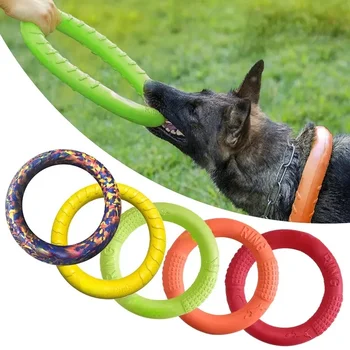
Dogs, with their energetic and social nature, thrive on activities that challenge both their physical and mental capacities. Classic games like fetch allow them to release energy and enjoy human interaction. Tug-of-war can be a fantastic bonding exercise, provided it’s played safely and with boundaries. Additionally, puzzle toys are excellent for stimulating a dog’s problem-solving abilities, keeping them mentally sharp and entertained.
Feline Friends: Laser Pointers, Feather Wands, and Interactive Toys
Cats, on the other hand, are natural hunters, and their play often mimics this instinct. Laser pointers and feather wands are perfect for encouraging cats to pounce and chase, replicating their hunting behavior. Interactive toys that dispense treats or move unpredictably can keep cats engaged for hours, satisfying their curiosity and need for mental stimulation.
Small Animals: Tunnels, Wheels, and Chew Toys
For smaller pets like hamsters, guinea pigs, and rabbits, play often involves exploring and chewing. Tunnels and mazes provide a safe space for exploration, while exercise wheels help maintain their physical fitness. Chew toys are essential for dental health and satisfying their natural instincts to gnaw.
Understanding and catering to the play preferences of your pet not only supports their physical health but also contributes significantly to their happiness and quality of life. Ready to find the perfect toys for your furry friend? Explore our product collection.
The Psychological Benefits of Pet Play
Pet play, a cherished activity for many pet owners, goes beyond mere recreation. It offers profound psychological benefits for both pets and their human companions, fostering well-being in subtle yet significant ways. Engaging in pet play can bolster emotional resilience, mitigate stress, and enhance overall mental health, creating a harmonious environment that nurtures both species.
One of the primary psychological advantages of pet play is its ability to reduce stress and anxiety. As humans, we often face daily pressures that can lead to anxiety. Interactions with pets, especially during play, trigger the release of oxytocin, a hormone associated with bonding and relaxation. This chemical response can alleviate feelings of anxiety and promote a sense of calm, making pet play a natural stress-buster.
Additionally, pet play can improve mood and emotional stability. The joy and laughter elicited during these interactions are genuine mood enhancers. Playing with pets provides a sense of companionship and unconditional love, which can combat loneliness and depression. For those experiencing emotional difficulties, pets often serve as a comforting presence, offering non-judgmental support.
Furthermore, engaging in regular pet play can strengthen the bond between pet and owner. This deepened connection is built on trust, understanding, and mutual enjoyment, enriching the relationship and creating a supportive network essential for mental well-being.
Incorporating pet play into your daily routine not only benefits your pet but also enhances your mental health. Explore our product collection to find toys and accessories that can elevate your pet play experience.
How to Encourage Healthy Play Habits
Encouraging healthy play habits in pets is essential for their physical and mental well-being. It involves understanding their unique needs and tailoring activities that suit different personalities. Pets, much like humans, thrive on interaction and stimulation, making play an integral component of their daily routine.
Understanding Your Pet’s Play Style
Firstly, recognizing your pet’s play style is crucial. Whether they prefer chasing, fetching, or solving puzzles, tailoring play activities to match their preferences ensures they remain engaged and satisfied. For instance, dogs often enjoy games that involve physical exertion, such as fetch or tug-of-war, whereas cats might be more inclined towards activities that stimulate their hunting instincts, like chasing a laser pointer or playing with feather toys.
Incorporating Variety and Consistency
Variety in play is vital. Introducing new toys or games periodically can keep your pet excited and prevent boredom. However, consistency also plays a role. Establishing a regular playtime routine can help reinforce positive behavior and provide a sense of security, enhancing the bond between you and your pet.
Benefits of Mental and Physical Stimulation
Healthy play habits offer numerous benefits, including improved physical health, reduced anxiety, and increased sociability. Regular physical activity can help prevent obesity, while mental stimulation keeps your pet’s mind sharp, reducing the likelihood of destructive behavior. Moreover, interactive play can strengthen the trust and communication between pets and their owners.
By fostering an environment where your pet feels loved and engaged, you contribute significantly to their overall happiness and health. Explore our product collection to discover toys that cater to your pet’s playful needs.





0 Comments